Signs Your Crawlspace Needs Attention
- Cold floors in winter, especially over specific rooms
- A musty or earthy smell in the house that you can't trace
- Visible moisture, condensation, or standing water under the house
- Insulation sagging out of the floor joists or lying on the ground
- Mold, dark staining, or mushrooms growing on the framing
- Rodent droppings, nesting material, or chewed wiring
- High indoor humidity or worsening allergy symptoms
- Buckling hardwood floors or sticking doors above the crawlspace
A mushroom growing on a floor joist is a fruiting body — it means a wood-decay fungus is established and actively eating the structure. If you see one, the moisture problem has been going for a long time.
Frequently Asked Questions
What is crawlspace encapsulation?
Encapsulation is the process of sealing your crawlspace off from the ground and outside air. A heavy-duty vapor barrier covers the soil and runs up the foundation walls, vents are sealed and insulated, and the space is conditioned with a dehumidifier. The result is a dry, sealed area that becomes part of your home's protected envelope instead of a damp hole underneath it.
How much does crawlspace encapsulation cost in Colorado?
Most crawlspace projects fall between $6,000 and $20,000 depending on the size of the space, how much contamination or water is present, and whether structural repairs or drainage are needed. A basic vapor barrier and sealing job sits at the lower end. Jobs involving active water, mold, rodent contamination, or structural repair run higher. We provide a written flat-price quote after a free on-site inspection so there are no surprises.
How long does encapsulation take?
Most crawlspaces take two to five working days. Larger spaces, low clearance, active water intrusion, or structural repairs extend that timeline. We give you a schedule in writing before we start.
Do I really need a dehumidifier?
In a sealed crawlspace, yes. Once you close the vents you have to control humidity mechanically, and building code requires a means of conditioning an unvented crawlspace. A properly sized crawlspace dehumidifier draining to a sump or condensate line is the standard, reliable way to do it.
Will encapsulation fix my cold floors?
Usually, yes. Cold floors are typically caused by a cold, vented, damp crawlspace directly beneath them. Sealing the vents and insulating the foundation walls brings that space inside your home's thermal envelope, so the floor above stops radiating cold.
Does encapsulation help with radon?
A sealed, continuous vapor barrier reduces soil gas entry, and we can rough in a capped radon suction port under the barrier while the crawlspace is open. If testing later shows elevated radon, a licensed radon mitigation professional can connect an active system to that port without disturbing the finished encapsulation.
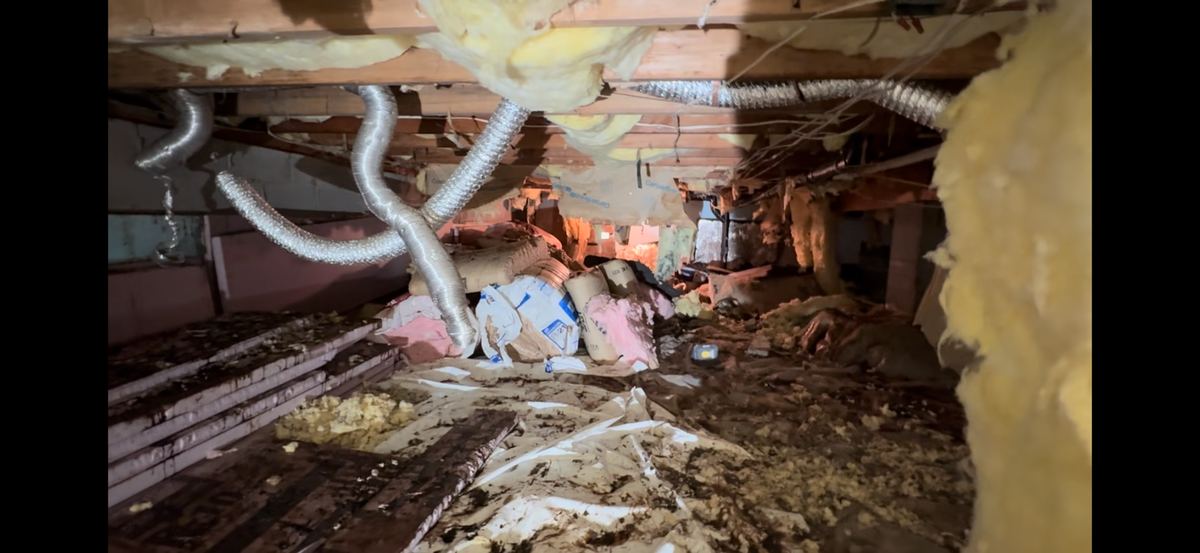 Before
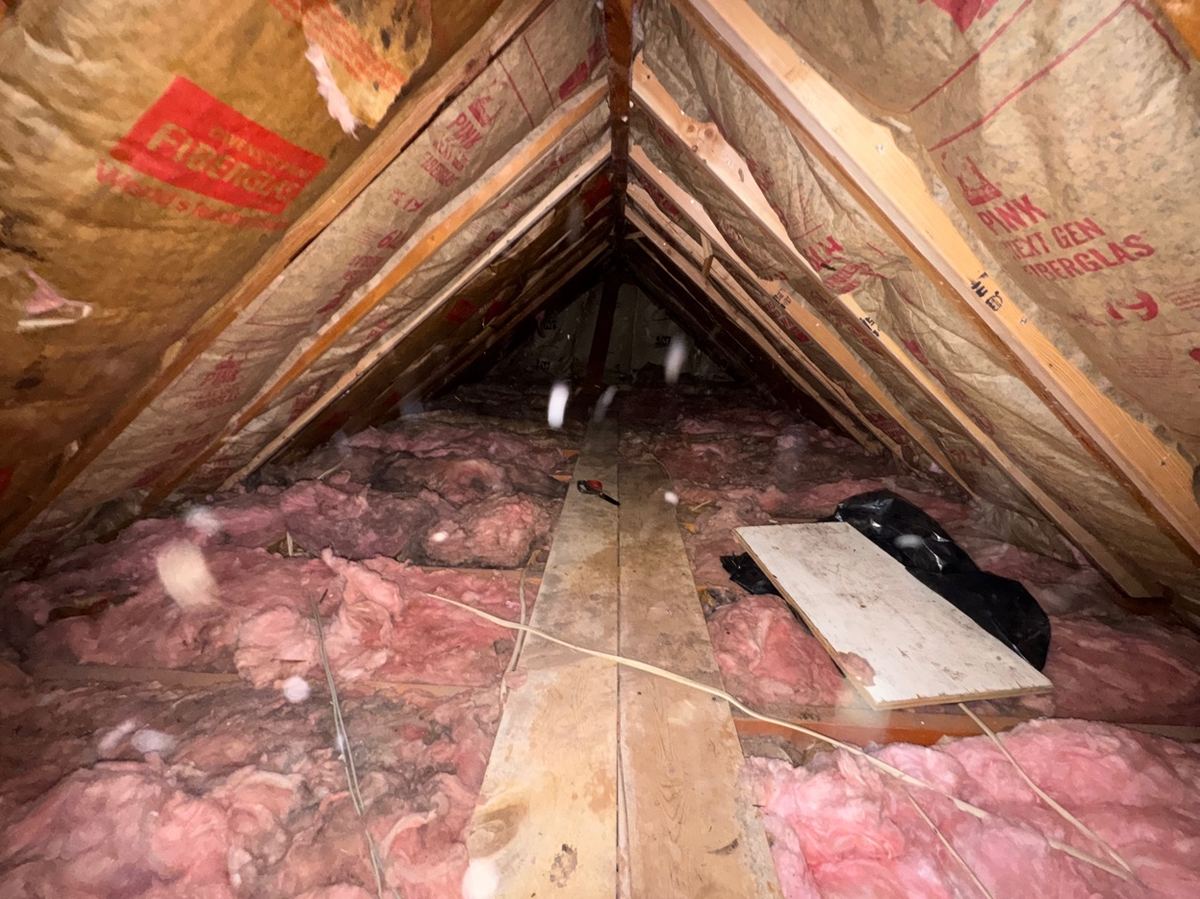 After
After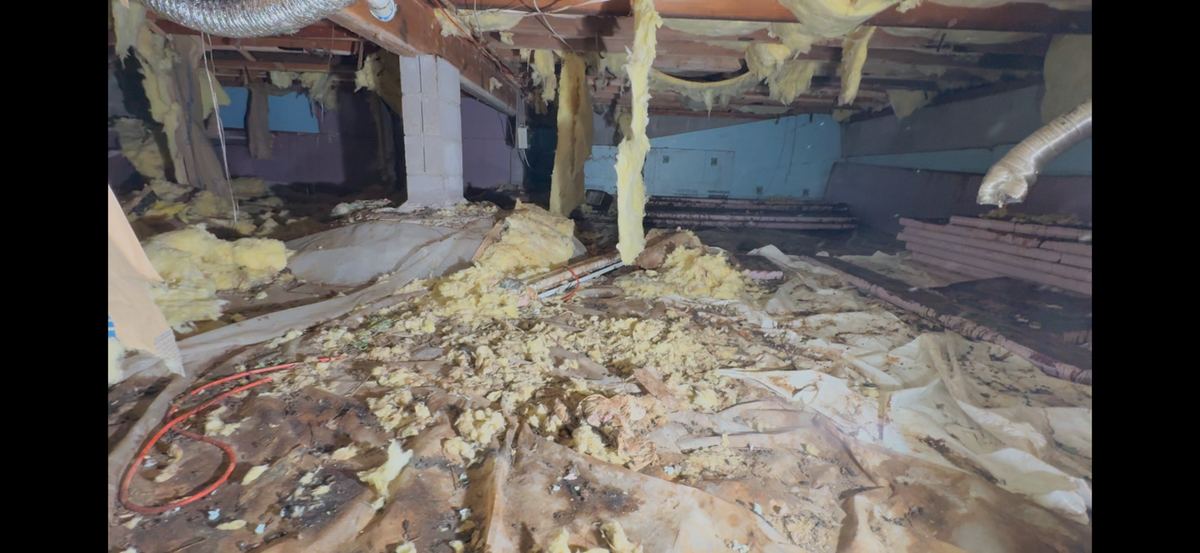 Before
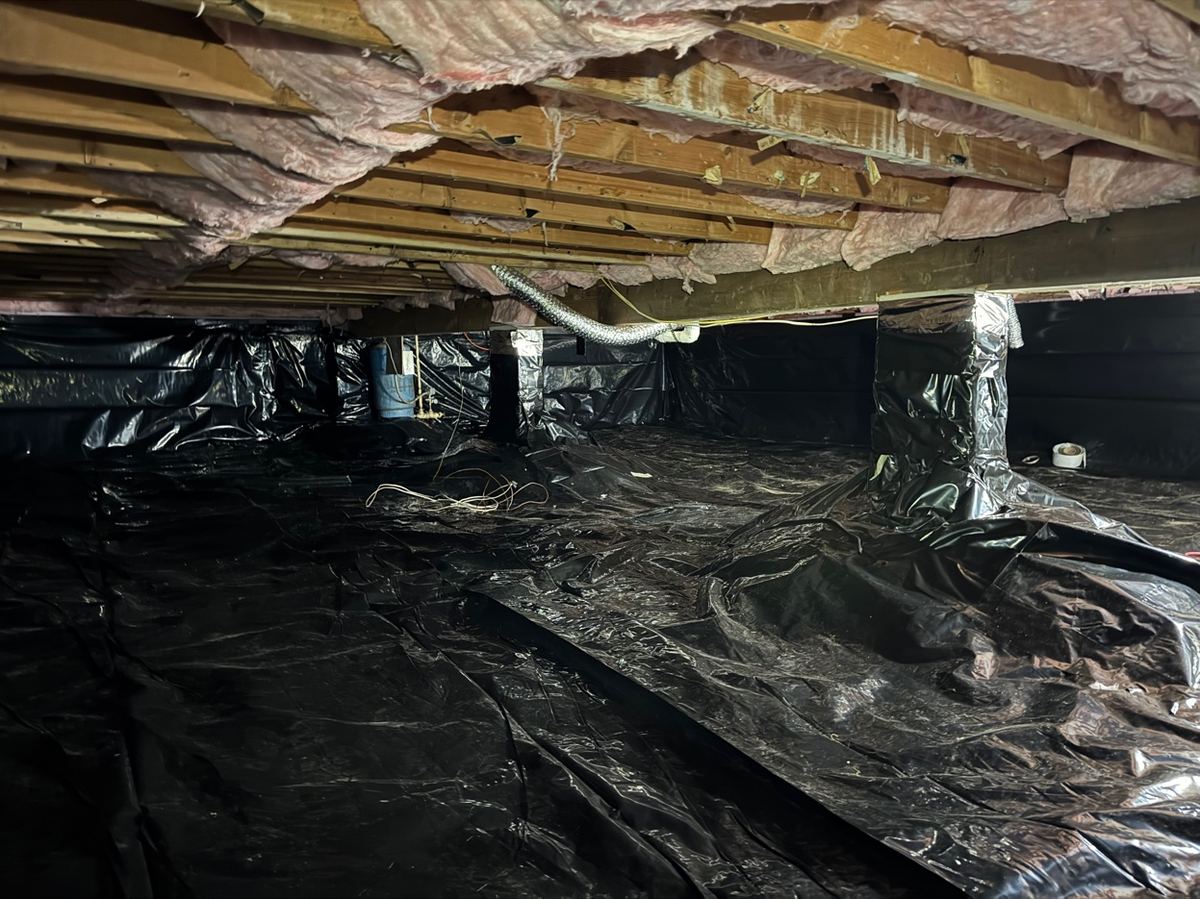 After
After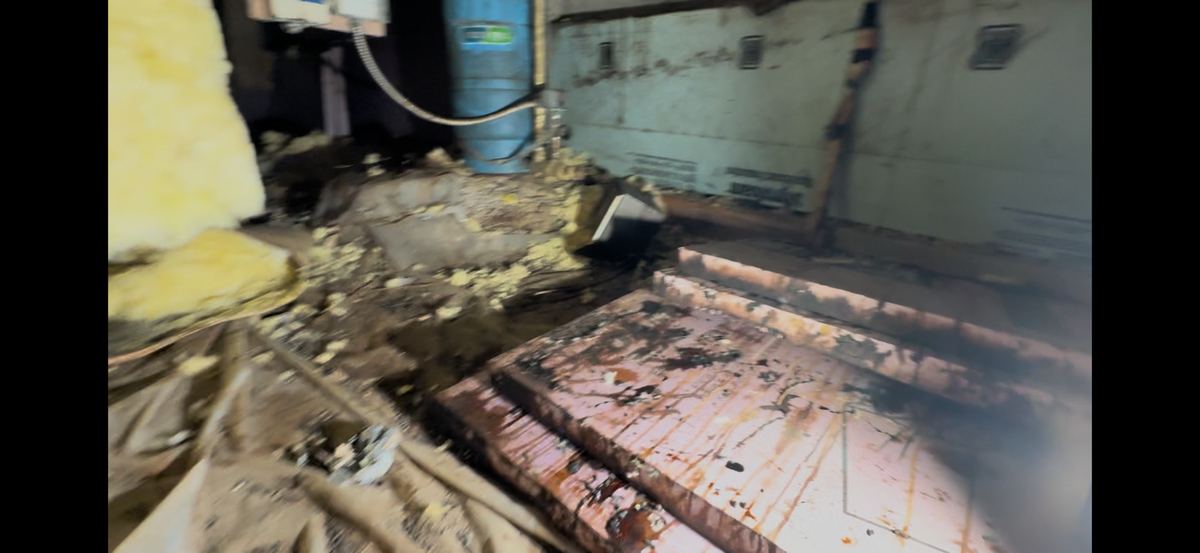 Before
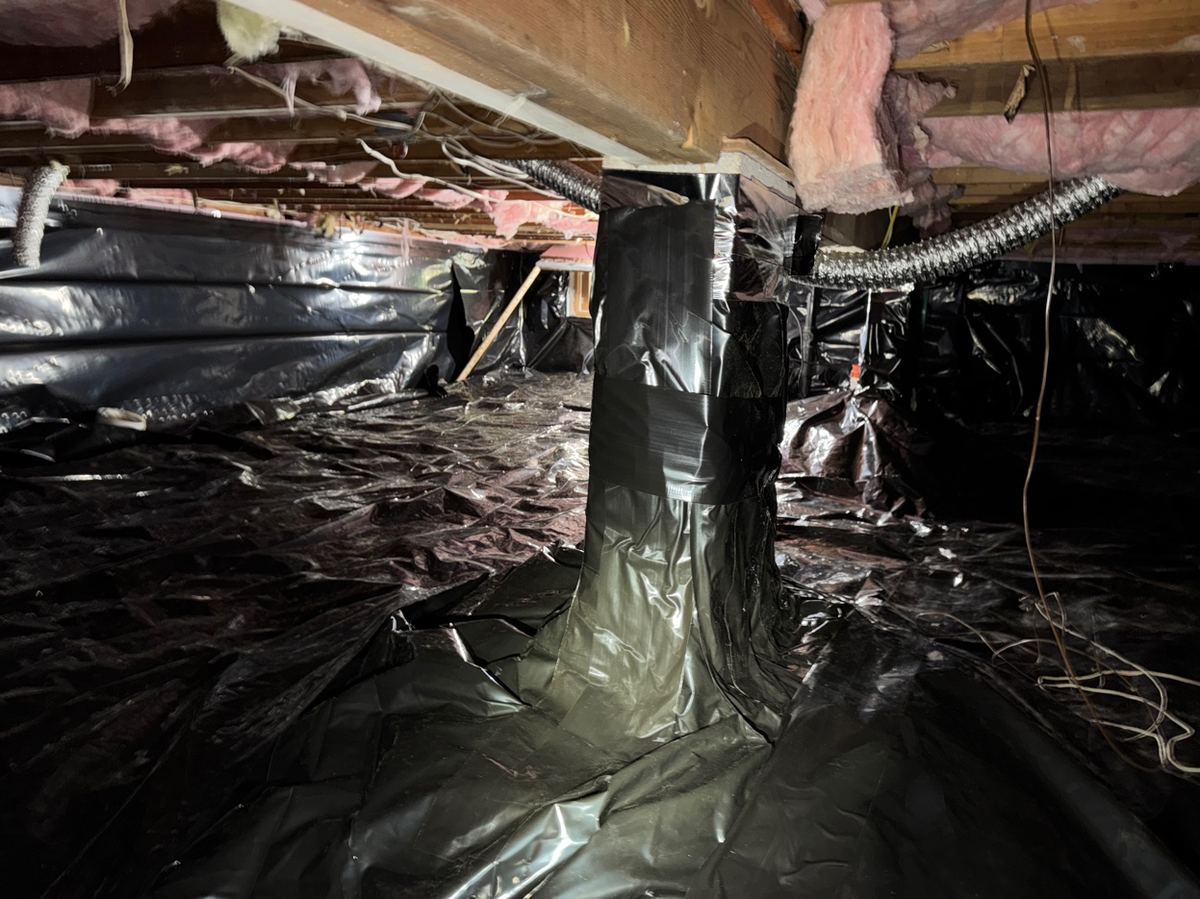 After
After